
Our History
From a small group of stamp collectors in 1960 to today’s National Postal Education Center, our organization has grown into a center for education, research, and the preservation of stamps and postal history.
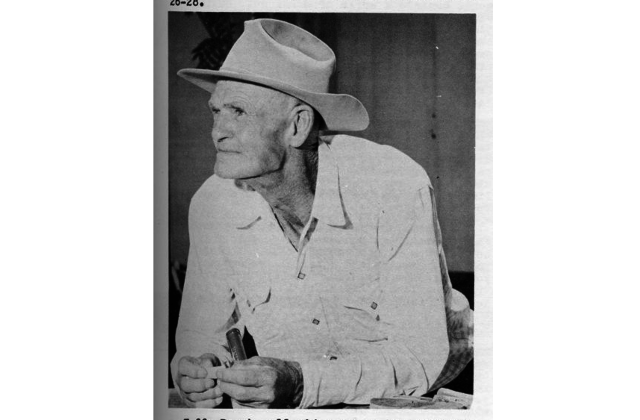
Pictured above, Bill Alexander teaches philately to youngsters in the 1960s.

Our Origins
The story of the National Postal Education Center began in 1960, when Bill Alexander brought together a group of stamp collectors interested in studying and preserving Arizona and Western postal history. They also recognized the educational value of stamps and wanted to encourage young people to explore the hobby.
The organization’s original objectives were to:
- Develop educational programs that encouraged stamp collecting among young people.
- Collect and preserve postal history from the Western United States.
- Preserve historical objects related to the transportation and delivery of mail.
- Encourage the study and research of postal history.
- Establish a supporting organization of philatelists, historians, and others dedicated to preserving these resources for future generations.
The Arizona Philatelic Rangers
The organizers approached Dr. Ray Brandes, Assistant Director of the Arizona Pioneers Historical Society (now the Arizona Historical Society), with a proposal to establish a postal history department.
Dr. Brandes agreed, and the department eventually became the Western Postal History Museum (WPHM).
To provide ongoing financial support for the museum, its organizers established a fundraising group known as the Arizona Philatelic Rangers.


A Commitment to Youth Education
Education has been central to our mission from the beginning.
In 1964, the Western Postal History Museum partnered with the National Foundation for Asthmatic Children’s Sahuaro School in Tucson to establish a youth philately program.
This early initiative laid the foundation for what would eventually become our Stamp Discovery Education Program, which continues to bring stamps, history, and hands-on learning to students and educators.
Growing Our Collection
Generous donations from individuals and organizations have played an important role in the growth of our collections and facilities.
In October 1960, the Raymond H. Weill Company of New Orleans donated an extensive collection of books and a six-volume general stamp collection. Raymond Weill and his brother Roger continued to support the museum through additional contributions.
In 1978, Stephen D. Bechtel, Sr. donated a significant collection of United States stamp proofs and essays. Proceeds from the sale of this collection allowed the museum to purchase its permanent home at 920 North First Avenue in Tucson.
Another major milestone came in 1996, when Peggy Slusser’s parents donated $750,000 toward the construction of the library that bears her name.
Peggy’s personal collection of books, including extensive materials relating to the Civil War, further enriched the library’s holdings.
Today, the Slusser Library remains an important resource for philatelic and postal history research.


Becoming the Postal History Foundation
As the organization grew, its mission expanded beyond the study and preservation of Western postal history.
In 1990, the Western Postal History Museum officially became the Postal History Foundation (PHF).
The new name reflected the organization’s expanding educational programs, broader collections, and growing community of collectors, researchers, and supporters.
Over the following decades, the Foundation continued to develop its educational services, library, archives, museum, and philatelic programs.

A New Chapter: The National Postal Education Center
In 2026, the Postal History Foundation began operating publicly as the National Postal Education Center (NPEC).
The new name reflects the organization’s longstanding commitment to education and its mission to connect people with the world of stamps and postal history.
While our name has changed, our dedication to education, preserving history, supporting collectors, and serving the community remains the same.
Today, NPEC continues the work that began in 1960, providing educational resources, preserving philatelic collections, supporting research, and encouraging curiosity and lifelong learning.
Our history is the foundation of our future, and we look forward to sharing the world of stamps and postal history with generations to come.