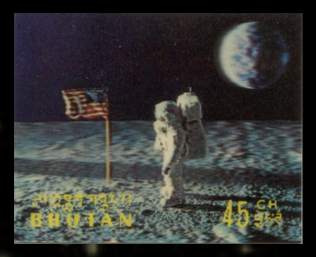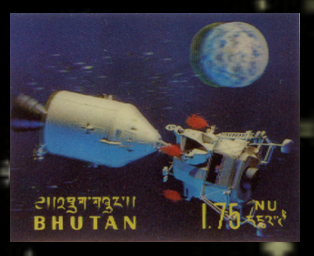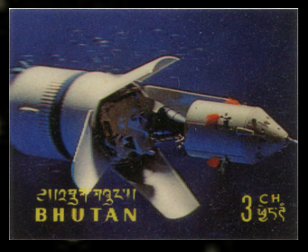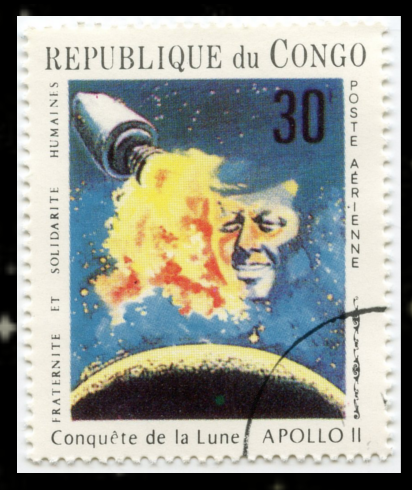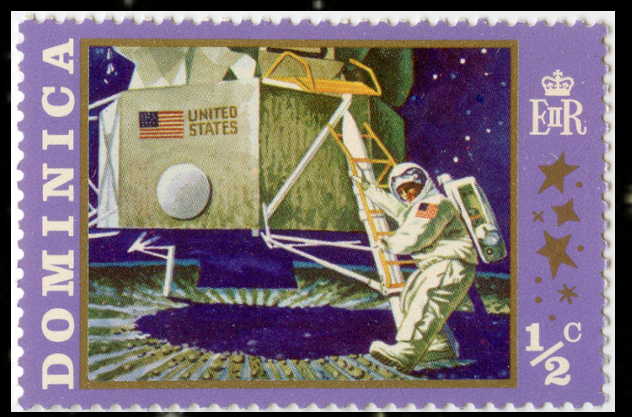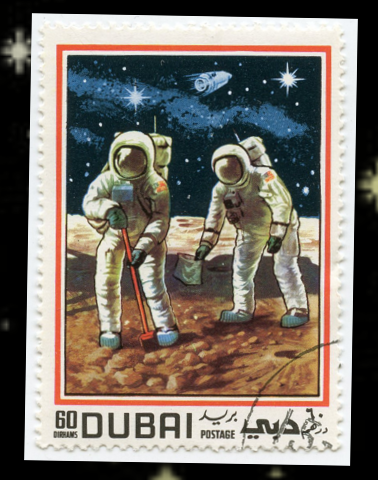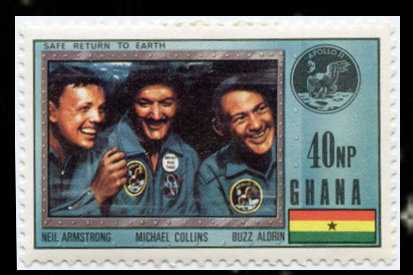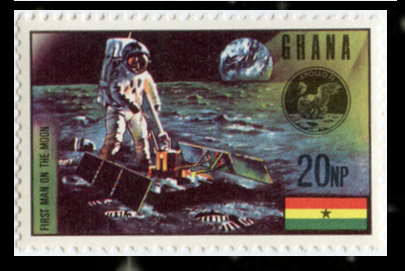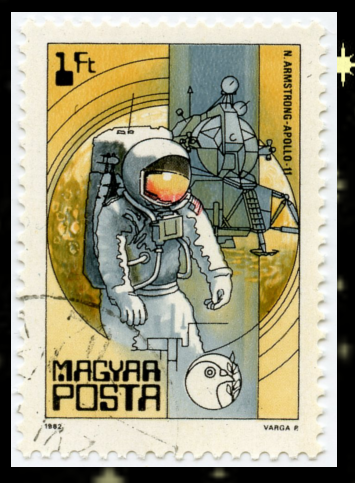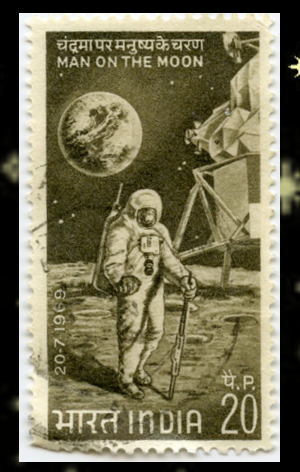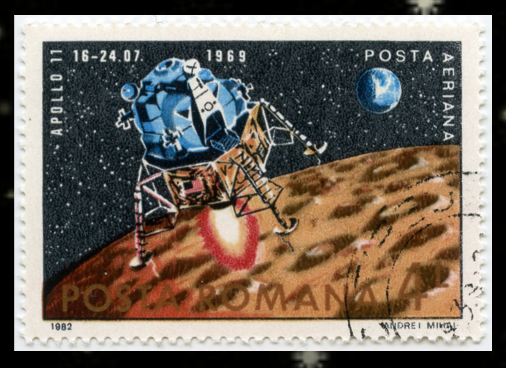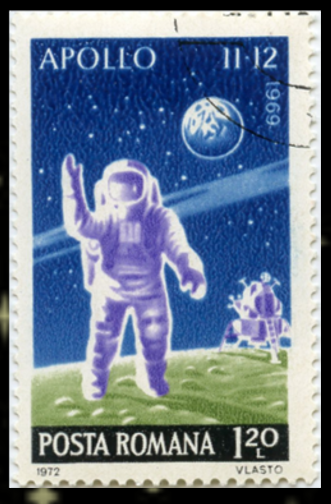
Postage stamps are an excellent way for visual and kinetic learners to learn concepts and demonstrate understanding. All learners can use them to help identify, describe, and explain facts, events, and concepts. Stamps can be used for critical thinking, such as comparisons, analysis, and evaluation. Students can use them in creative ways, creating worlds based on space science, marine biology, or young adult novels.
Stamps are a fun, creative, engaging way for students to meet grade-level standards. The possibilities are endless.
Below are some activity ideas to help get you started. Before that, though, please know that there is a topical stamp list here, and an online order form here. If we don’t seem to have what you need on our topical list, please email the Education Department at education@phftucson.org with specific stamp requests. You don’t even have to know if a particular stamp exists– you can just tell us about your lesson idea and we can take it from there.
Activity Ideas
Students are given a set of stamps (provided by us) on a particular topic. They must put those stamps in a certain order, then write descriptions/explanations that match the standard. Examples:
–Arizona, Grade 3, Strand 4 (Geography) PO2: Describe changes over time in communication networks (e.g., telegraph, telephone, postal, internet).
Each student is given an envelope with the communication stamps. They are to put the stamps in chronological order of primary use and glue to paper. Next to each, identify the communication method, describe the effect it had on society, and explain how it led to the next chronological method of communication. They will then hypothesize what the next form of communication will be, what led to this new form, and how it will impact society.
–Arizona, Science, Grade 8, Concept 4, PO 6: Describe the following factors that allow for the survival of living organisms: protective coloration, beak design, seed dispersal, pollination
Each student is given an envelope with birds and prey. First, they place each bird stamp on paper (vertically on paper, leaving space to write) and glue. They then describe the beak’s physical characteristics and what motion the beak will make when in use. They then must match up on paper (and glue) the prey best suited for his beak type. They then must describe why that particular beak design is appropriate in catching that particular prey.
Students select 2-3 stamps (at random, or choice) with particular people on them and write up a “conversation” between them about a given topic. This could also be done in pairs and could also be performed in class. Examples:
–Arizona, English Language Arts, Grade 7, Reading Standards for Literature, 7RL9: Compare and contrast a fictional portrayal of a time, place, or character and a historical account of the same period as a means of understanding how authors of fiction use or alter history.
Each student is given 2-3 stamps of people contemporaneous to the events in a novel or story; the students write a conversation between these people about particular characters, scenes, or themes. Alternatively, the people on the stamps could be related in a way different than chronology: scientists for a science fiction book, Civil War figures for Harlem Renaissance poetry, etc.
— Arizona, Social Studies, High School, Strand 1, PO 2: Assess how the following social developments influenced American society in the late nineteenth and early twentieth centuries: Civil Rights issues (e.g., Women’s Suffrage…)
Each student is given 2-3 stamps of people who may have influenced Women’s Suffrage, participated in it, and lived after it. For example, a student draws from three containers a before– Mary Chestnut, a during — Susan B. Anthony, and an after– Maya Angelou.