
Research Tips
What Do I Start?
The Slusser Library receives a wide variety of research questions related to stamps, philately, and postal history. Researchers may be interested in identifying or learning more about stamps and covers, researching the history of the postal service or a particular post office, or exploring related historical and genealogical topics.
Whether you are a collector, historian, genealogist, writer, or simply curious about a piece of postal history, the resources on this page can help you determine where to begin. If you are able to visit the library in person, we can help you get started using materials in our collections. If you are unable to visit, we may also be able to provide remote research assistance.
Already know what you’re looking for? Visit our Helpful Research Links page for additional online resources.

Stamps
Want to identify a stamp, learn more about it, or research its potential value? Start with the Researching Stamps section below.

Other Philatelic Material
Philatelists collect much more than individual stamps, including covers, postcards, postal stationery, postmarks, and mail carried by ship, train, airplane, and other methods. Start with the Researching Other Material section below.

Postal Service History
Postal records can help researchers learn about post office openings and closings, postmasters and other employees, postal routes, regulations, and the history of particular communities. Start with the Researching the Postal Service section below.
Researching Stamps
The following information can help you identify individual stamps and learn how to research them. If you have an album or an entire collection that you would like valued, you may wish to contact a professional stamp dealer or appraiser. The Slusser Library does not provide monetary appraisals or valuations.
What kind of stamps do you have?
Postage or Specialized?
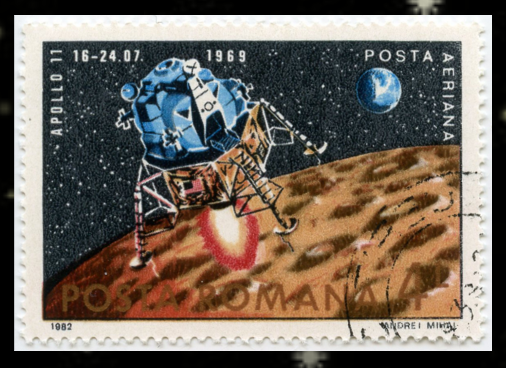
Most stamps you’ll encounter are postage stamps, which are included in standard stamp catalogs. Other types of stamps may require specialized catalogs. These can include airmail and special delivery stamps, revenue stamps, and items known as cinderellas—stamp-like items that were not issued for postal use.
If you’re unsure what type of stamp you have, try searching online using words, numbers, dates, or other identifying information found on the stamp. A reverse image search may also be helpful. In some cases, you may need to consult both standard and specialized catalogs.
U.S. or Foreign?
Many collections contain a mixture of U.S. and foreign stamps. Identifying the country that issued a stamp is an important first step in finding it in a catalog and learning more about it.
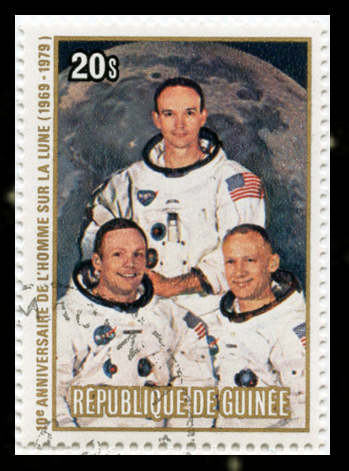
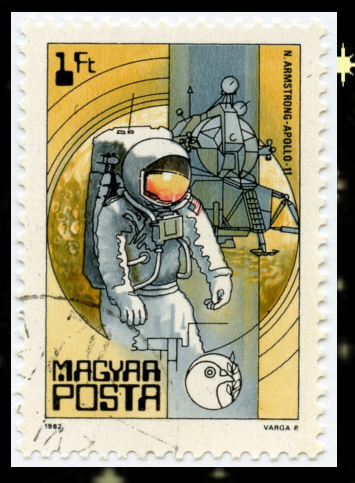
You may need a magnifying glass! Keep in mind that country names may appear in the country’s own language or alphabet. For example, stamps from Hungary may use Magyar, Japanese stamps may use Nippon along with Japanese characters, and Greek stamps may use Ελλάδα.
Stamp identifier books and guides can help identify unfamiliar countries and inscriptions. The Slusser Library has identification resources in its collection, and additional guides may also be found online by searching for stamp identifier.
Other Characteristics to Look For
Once you’ve located a stamp in a catalog, you may find several similar varieties or a range of catalog values. Certain characteristics can help you determine exactly which stamp you have.
Things to look for include:
- Mint or used — Has the stamp been used and canceled?
- Gum — Does it still have its original adhesive on the back?
- Hinges — Is there a stamp hinge or evidence that one was previously attached?
- Condition — Are there tears, creases, missing perforations, stains, or other damage?
- Color — Are different colors or shades listed?
- Perforations — Do the number or spacing of the perforations differ?
- Varieties — Does the catalog list variations of the stamp?
- Watermarks — Does the paper contain a watermark?
Don’t worry if you don’t know how to identify all of these characteristics at first. Begin by locating the stamp in a catalog and then investigate additional details if they are needed to distinguish between similar listings.
Finding Your Stamp in a Catalog
Scott Catalogs
The Scott Standard Postage Stamp Catalogue is one of the most commonly used resources for identifying stamps and finding their catalog values. It covers stamps from countries around the world and is published in multiple volumes.
Keep in mind that a catalog value is not necessarily the price for which a stamp will buy or sell. A stamp’s condition, demand, rarity, and other factors can affect its market value.
The Scott catalogs are organized primarily by country and then chronologically by date of issue. The United States is found in the first volume, while other countries are arranged alphabetically throughout the remaining volumes. To begin:
- Identify the country. If a country has changed names, governments, borders, or political status, use the catalog’s index to determine where its stamps are listed.
- Look for a date and denomination. These details can help narrow your search.
- Compare the design. Look for an image that matches or closely resembles your stamp. Not every stamp in a particular issue or series will necessarily be pictured.
- Read the complete listing. Check the denomination, color, date, perforations, watermark, and other characteristics when applicable.
- Check the introductory information. The beginning of the catalog explains abbreviations, symbols, catalog values, and other information needed to understand the listings.
If you think you have identified your stamp but want to confirm it, try searching online using information from the catalog entry, such as the country, year, denomination, subject, color, or other distinguishing characteristics.
Specialized Catalogs
Some stamps and related material require more specialized catalogs. For U.S. material, the Scott Specialized Catalogue of United States Stamps & Covers is an important resource. Other countries and collecting areas have their own specialized catalogs.
Examples include Michel for German and worldwide collecting areas, Yvert et Tellier for France and other areas, and Facit for Scandinavian philately. Some specialized catalogs are published in languages other than English, although illustrations, dates, catalog numbers, and other information can still be useful for identification.
Specialized catalogs may be available through the Slusser Library or other philatelic libraries. Collector organizations devoted to a particular country or area of philately can also be valuable sources of information.
When searching library catalogs or online resources, try several combinations of broad and specific keywords. For example, when researching an Arizona egg inspection stamp, you might begin with broader terms such as Arizona revenue stamps or state revenue stamps, then try more specific searches such as Arizona egg inspection stamp or Arizona egg tax stamp.
Researching the History Behind a Stamp
Identifying a stamp may only be the beginning of your research. You may want to learn why a stamp was issued, who designed or engraved it, why it was overprinted, what its subject represents, or how it relates to the postal history of a particular place and time.
Once you have identified the country, approximate date, and issue, use that information to search library catalogs, books, journals, collector organizations, and other research resources. Terms such as postal history, along with the country, date, subject, or stamp issue, can help narrow your search.
Specialized philatelic libraries and organizations can be especially helpful because many detailed books, journals, and articles may not be readily available through a general public library.
When you’re ready to continue your research at the Slusser Library, search our online catalogs to explore our holdings.
Researching Other Philatelic Materials
Philately includes much more than individual stamps. Collectors and researchers may be interested in envelopes, postcards, postal stationery, postmarks and cancellations, stamp issuance programs, souvenir cards, and many other types of postal material.
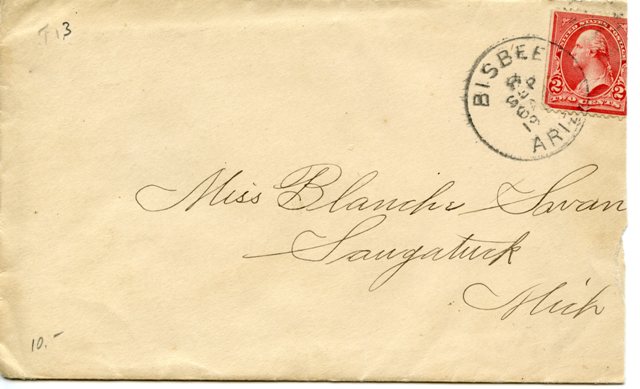
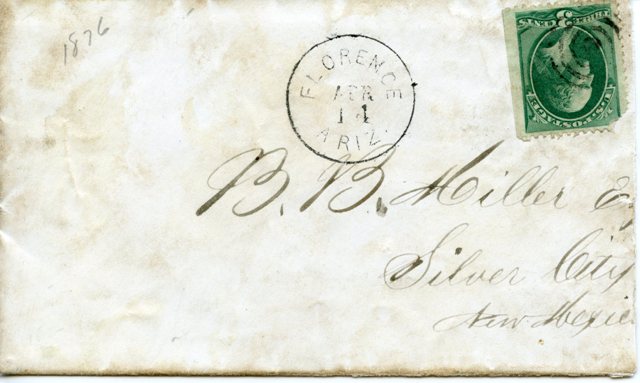
One of the most commonly collected types of postal material is the cover, generally an envelope or other piece of mail that has traveled through the postal system. Covers can provide information about the people who sent and received the mail, postal rates and routes, post offices, methods of transportation, and the time and place in which the mail traveled.
Researching covers and other mailed items is an important part of postal history.
What’s Special About That Cover?
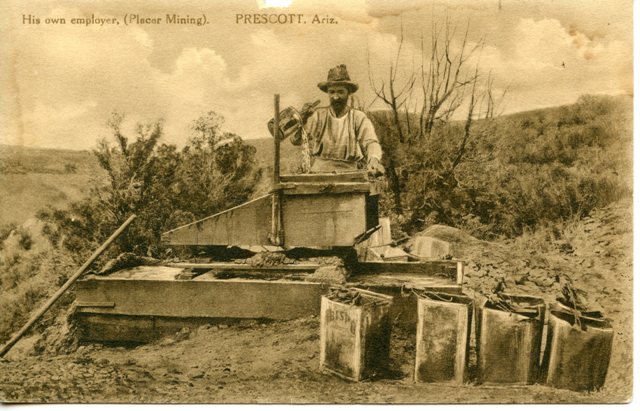
People collect and research covers for many different reasons. The important feature might be the postmark or cancellation, where the item was mailed, how it traveled, its time period, the artwork on the envelope, or another distinguishing characteristic.
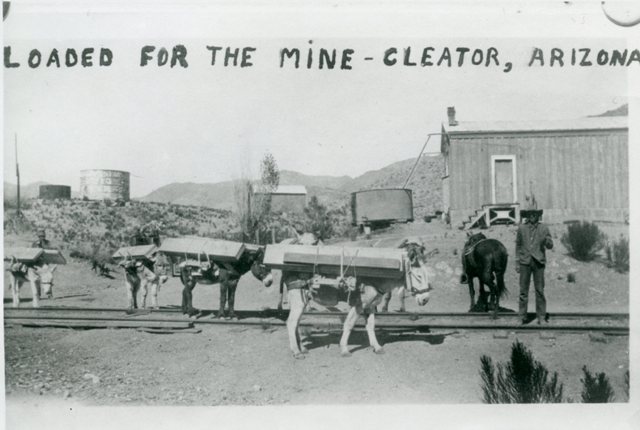
Start by looking closely at your item and asking what makes it interesting or unusual. Was it postmarked aboard a naval ship? You might begin by researching naval covers. Does it have a slogan cancellation? Try researching slogan cancels. Was it mailed in Arizona before statehood? You might look for resources on Arizona Territorial postal history or Arizona Territorial postmarks.
Once you identify the characteristics that may be significant, you will have useful keywords for searching library catalogs, databases, and online resources. Try different combinations of terms and synonyms if your first search does not produce useful results.
Helpful Research Keywords
The terms below can help you identify and research different types of philatelic material. Many collecting areas have specialized catalogs, organizations, and other research resources. Select a category below to learn more about each term and find related organizations. This list terms is intended as a starting point and is not exhaustive.
Covers
- First Day Covers
- Patriotic covers
- Postal stationery
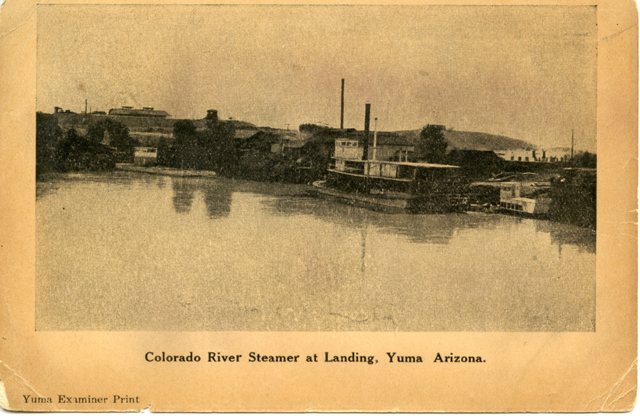
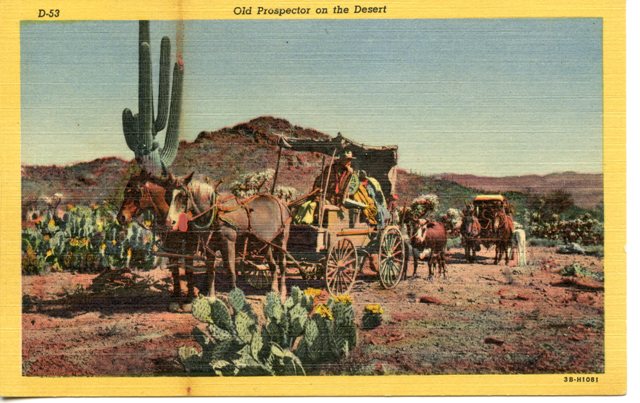
- Postcards
- Stampless covers
- Wreck covers
Postal Markings
- Auxiliary markings
- Cancellations and postmarks
- Fancy cancels
- Machine cancels
- Metered mail
- Slogan cancels
Delivery
- Airmail
- Highway post offices
- Maritime mail
- Military
- Overland/Express
- Railway mail
Covers
First Day Covers (FDCs): Covers postmarked on the first day a new stamp or postal stationery item is issued. Many First Day Covers feature a cachet, an illustration or design added to the envelope.
Related organization: American First Day Cover Society.
Patriotic Covers: Envelopes featuring patriotic designs, symbols, slogans, or illustrations. They are especially associated with periods of war and national events. Civil War patriotic covers are a particularly well-known collecting area.
Related organization: Civil War Philatelic Society.
Postal Stationery: Postal stationery includes envelopes, cards, wrappers, and other items issued by a postal authority with postage already printed or embossed on the item.
Related organization: United States Postal Stationery Society.
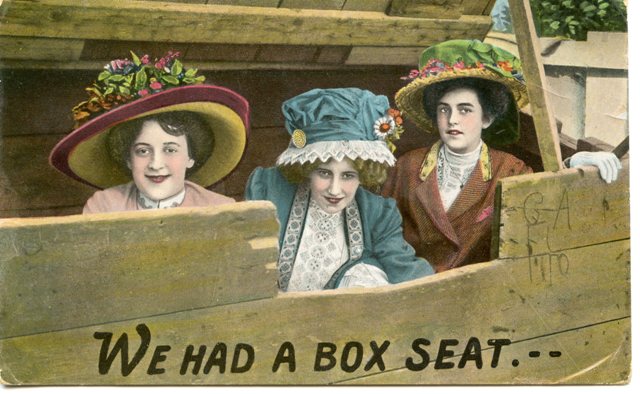
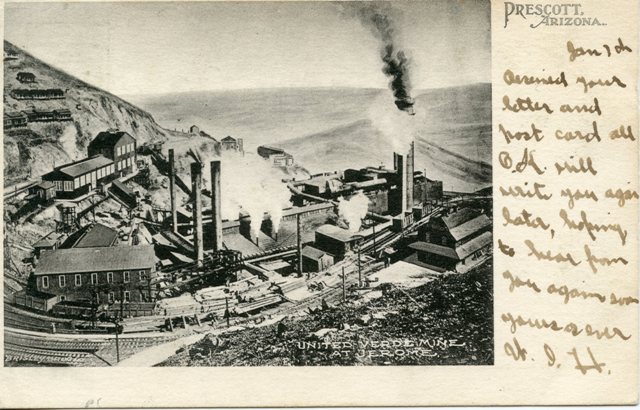
Postcards: Postcards are collected for their images, subjects, publishers, postmarks, messages, locations, and many other characteristics. The collecting and study of postcards is known as deltiology.
Related organization: Tucson Post Card Exchange Club.
Stampless Covers: Covers that traveled through the mail without an adhesive postage stamp. Many date from periods before postage stamps came into widespread use and may include handwritten or stamped postal markings indicating rates, routes, or payment information.
Related organization: U.S. Philatelic Classics Society
Wreck Covers: Also called crash covers, these are pieces of mail recovered from accidents or other incidents that occurred while the mail was in transit. Examples include mail recovered from airplane crashes, train wrecks, shipwrecks, and other transportation accidents. Such covers may show damage or carry postal markings or labels explaining what happened to the mail.
Related organization: The Wreck and Crash Mail Society.
Postal markings
Auxiliary Markings: Postal markings that provide additional information about the handling or delivery of a piece of mail. Examples include Return to Sender, Postage Due, Misdirected, and other instructional or explanatory markings.
Related organization: Auxiliary Markings Club.
Cancellations and Postmarks: A cancellation is a marking applied to a postage stamp to prevent it from being reused. A postmark generally identifies where and when a piece of mail was processed. The two markings are often applied together and may overlap.
Related organizations: Post Mark Collectors Club
Fancy Cancels: Hand-applied cancellations made from locally created devices rather than standard cancellation devices supplied by postal authorities. Many historic fancy cancels were carved from cork or other materials and feature letters, shapes, symbols, or other distinctive designs.
Related organization: U.S. Philatelic Classics Society.
Machine Cancels: Cancellations and postmarks applied mechanically rather than by hand. Machine canceling became increasingly common in the late 19th century, and collectors may study the machines, designs, markings, locations, and periods in which they were used. Flag cancels and some slogan cancels are examples of specialized machine-cancel collecting areas.
Related organization: International Machine Cancel Society.
Metered Mail: Mail bearing postage applied by a postage meter or related postage system rather than an adhesive postage stamp. Meter impressions generally indicate that postage has been paid and may include information such as the amount of postage, date, or place of mailing.
Related Organization: Meter Stamp Society.
Slogan Cancels: Postal cancellations or markings that include a short message or slogan. They have been used to promote public-service campaigns, events, organizations, and other messages. Slogan cancels can appear in a variety of formats and were often applied by postal canceling machines.
Related organization: International Machine Cancel Society.
Delivery
Airmail: Mail transported by air, including airplanes, balloons, airships, and other forms of aerial transportation. Collectors may specialize in pioneer flights, particular routes or airlines, crash and interrupted-flight mail, military airmail, and other areas of aerophilately.
Related organization: American Airmail Society and Military Postal History Society.
Highway Post Offices: Mobile post offices that operated aboard specially equipped buses and other highway vehicles. In the United States, Highway Post Office service operated from 1941 to 1974 and performed functions similar to those of Railway Post Offices. Mail processed aboard these routes may bear an HPO postmark.
Related organization: Mobile Post Office Society.
Maritime Mail: Mail transported by ship, boat, or other watercraft. Collecting areas can include ocean and coastal mail, ship post offices, naval mail, paquebot mail, and other forms of mail associated with transportation by water.
Related organizations: Universal Ship Cancellation Society, Mobile Post Office Society, and Military Postal History Society.
Military Mail: Mail sent to, from, or through military postal systems during both wartime and peacetime. Collecting areas may include Army and Navy postal services, V-Mail, military post offices, Allied Military Government mail, and other material associated with military postal history.
Related organization: Military Postal History Society.
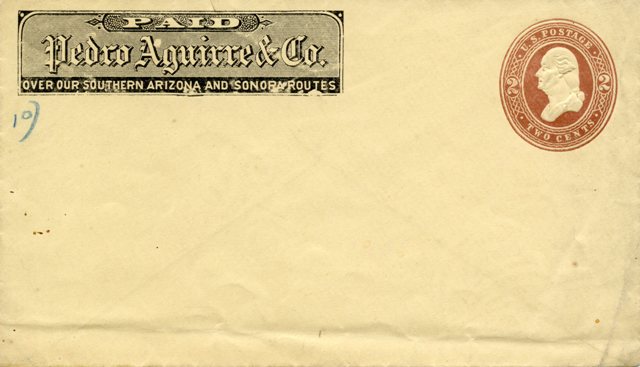
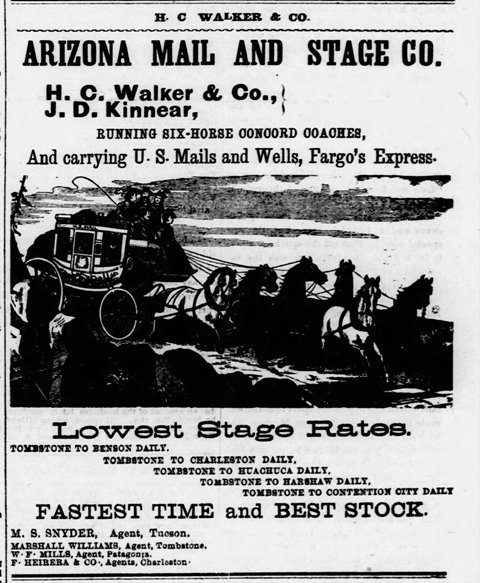
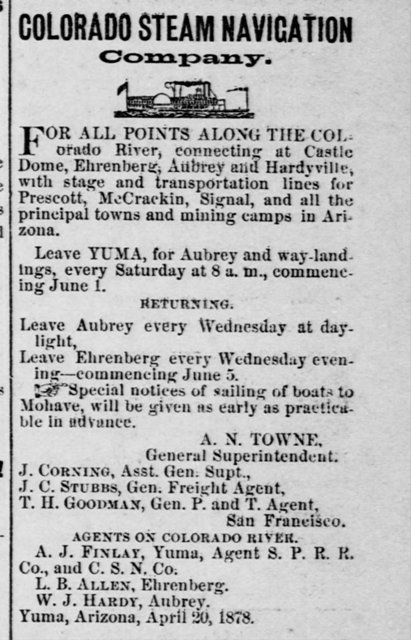
Overland and Express Mail: Mail carried over land or by express services outside or in connection with regular postal routes. These services were particularly important in areas and periods where established postal transportation was limited. Collectors may study particular routes, companies, carriers, markings, or regions.
Related organization: Western Cover Society.
Railway Mail: Mail transported or processed aboard trains and other rail-based postal services. In the United States, Railway Post Offices (RPOs) sorted and processed mail while in transit, and mail handled through these services may bear distinctive route and RPO markings. Collectors may study particular routes, markings, railway post offices, or postal clerks.
Related organizations: Railway Mail Service Library and Mobile Post Office Society.
Researching the Postal Service
Researchers may be interested in the history of a particular post office, where it was located, who served as postmaster, how much a postal employee was paid, or whether an ancestor worked for the postal service.
Information about post offices, postal employees, routes, and operations is often spread across several different sources. The resources below can help you determine where to begin your research.
U.S. Post Office Department Publications
The U.S. Post Office Department and other federal agencies published a variety of resources documenting post offices, postal employees, routes, regulations, and operations. The Slusser Library holds many of these publications.
The resources below describe several commonly used publications and provide links to digitized copies or online search results when available. External links may include materials beyond the specific publication described. This list is not exhaustive.