
Frequently Asked Questions
Have questions about the National Postal Education Center (NPEC), stamp collecting, or our programs and services? We’ve got answers!
Frequently Asked Questions
What is the National Postal Education Center?
The National Postal Education Center (NPEC), formerly known publicly as the Postal History Foundation, is a nonprofit organization dedicated to inspiring curiosity and lifelong learning through stamps and postal history.
We offer educational programs, museum exhibits, a philatelic library and archives, research resources, a stamp store, and a contract postal station.
Yes! Visitors are welcome to explore our museum exhibits, philatelic store, and Slusser Library. Our campus includes two buildings: the main NPEC building and the separate library building.
Visit our Plan Your Visit page for hours, directions, and additional information.
Yes! NPEC preserves and exhibits historical objects related to stamps, postal history, and mail delivery. We are certified by the Arizona Historical Society as a historical institution.
Our permanent exhibits include the historic Naco post office front and authentic postal equipment dating from Arizona’s territorial period through the twentieth century.
The Slusser Library also displays paintings by Cal Peters depicting early Arizona mail delivery, along with rotating exhibits.
Explore our Museum Exhibits and Online Exhibits.
Our Stamp Discovery Education Program uses stamps to bring history, geography, science, art, and other subjects to life.
We provide lessons, hands-on activities, educational materials, field trips, and programs for students, teachers, families, Scouts, and community groups.
Explore our Stamp Discovery Education Program to learn more.
Services for Stamp Collectors
Yes! Our Philatelic Store offers stamps and related collecting materials for collectors of all experience levels.
Our inventory changes regularly and is supplied through donations. Proceeds from sales help support NPEC’s educational programs and services.
Visit our Philatelic Store to learn more.
No. NPEC does not provide formal appraisals, valuations, or authentication services.
For local collectors, we may be able to provide information about area appraisers. You can also contact a professional stamp dealer or explore authentication services offered by the American Philatelic Society.
The Slusser Library provides research resources covering stamps, postal history, post offices, and related subjects.
Visit our Research Tips page for guidance on getting started.
Yes! Membership is a wonderful way to support NPEC’s programs and services while enjoying benefits such as a 20% discount in our Philatelic Store.
Visit our Membership page to learn more and join.
New to Stamp Collecting?
Before postage stamps were introduced in Great Britain in 1840, recipients often paid the postage when their mail arrived. This system sometimes resulted in unpaid deliveries.
Postage stamps changed that by allowing senders to pay for mail delivery in advance. The stamp serves as proof that postage has been paid.
To explore this history with children, visit our Downloadable Activities page.
Philately is the study and collection of postage stamps and related postal materials.
The term was introduced by French stamp collector Georges Herpin in the nineteenth century and comes from Greek roots associated with affection and freedom from payment.
Philately is commonly pronounced “fil-AT-uh-lee.”
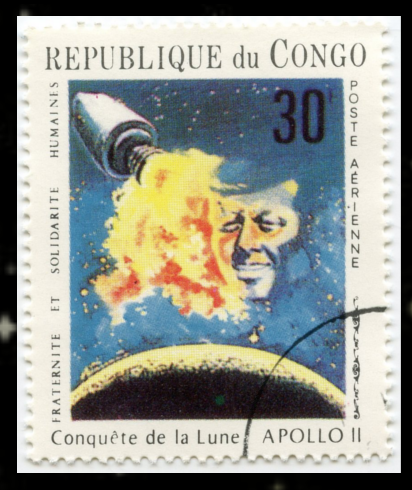
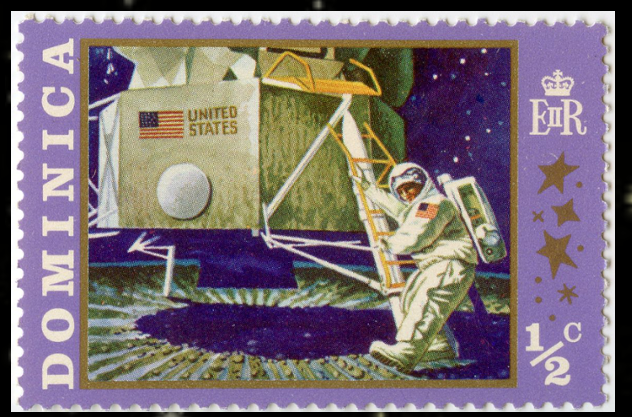
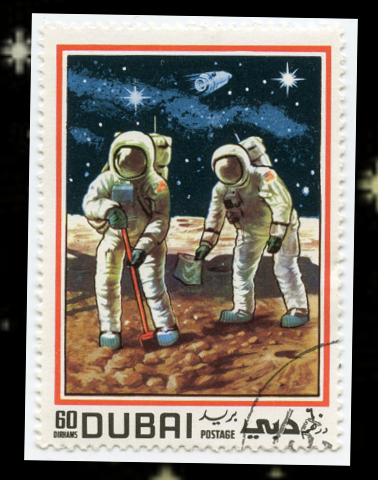
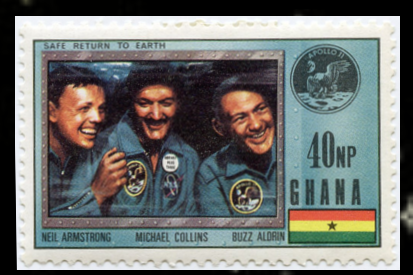
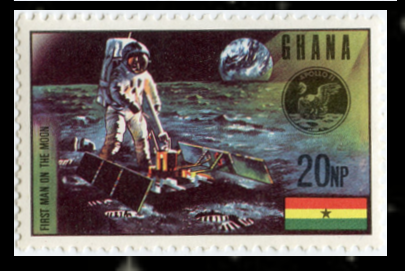
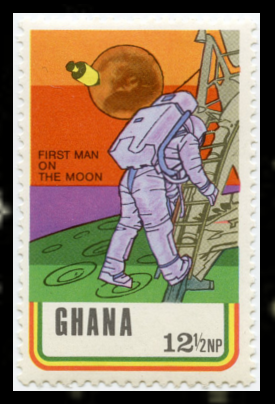
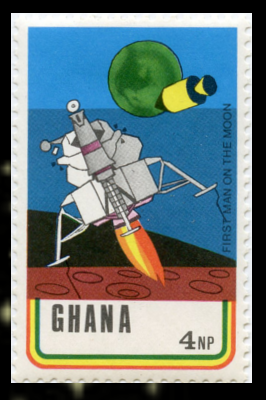
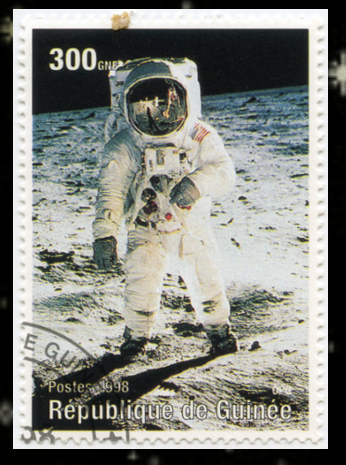
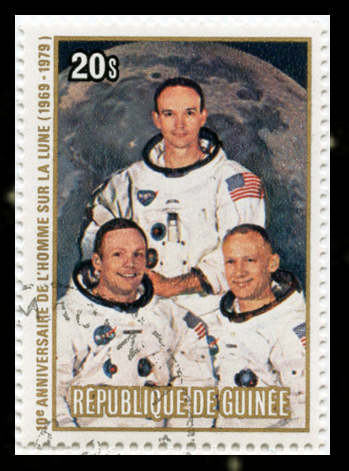
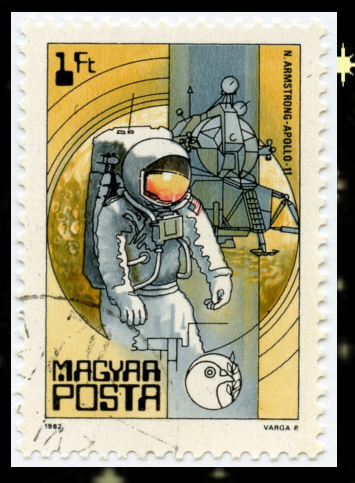
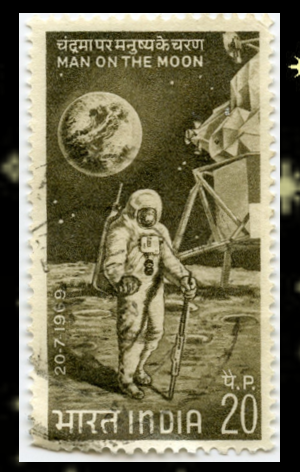
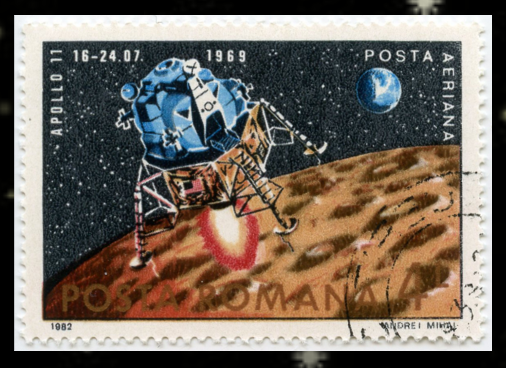
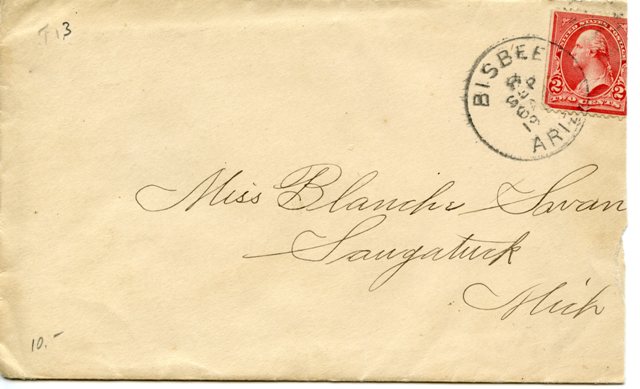
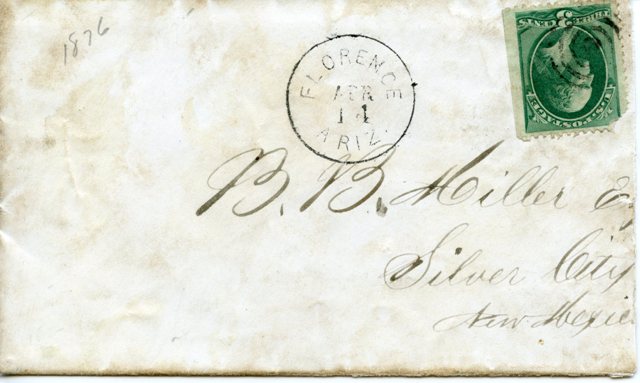
Stamp collecting is a hobby that can be enjoyed at any age. You can begin by collecting stamps from letters and postcards or choosing a subject that interests you, such as animals, space, history, or countries around the world.
You don’t need expensive equipment or rare stamps to get started. A small collection, a place to organize your stamps, and curiosity are all you need.
Explore our Philatelic Store for stamps and collecting materials.
A stamp’s value depends on factors such as rarity, condition, demand, and whether it is used or unused.
For guidance on researching stamps and their potential value, visit the Slusser Library’s Research Tips page.
Please note that NPEC does not provide formal appraisals or authentication services.
Supporting NPEC
We welcome donations of stamps, collections, and related philatelic materials. Donations help support our educational programs, collections, and philatelic store.
Visit our Philatelic Donations page for information about donating materials.
Absolutely! Monetary donations help sustain NPEC’s educational programs, library, archives, museum, and other services.
Visit our Monetary Gifts page to learn how you can contribute.
If you are considering including NPEC in your estate plans, please contact us to discuss your intentions and learn more about supporting our mission through a planned gift.
We recommend consulting your attorney or financial advisor when making estate planning decisions.
Volunteers play an essential role in NPEC’s programs and daily operations.
Opportunities may include helping with educational activities, stamp sorting, library and museum projects, events, and other organizational needs.
Visit our Volunteer page to learn more.